






































Course modules
10 modules over 5 daysParticipants can diagnose the operating drivers that determine working capital requirements and cash conversion performance.
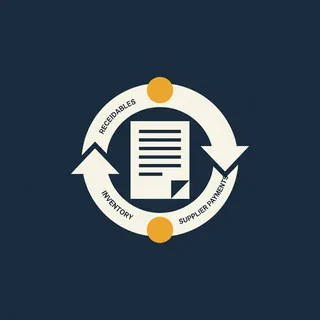
- Working capital cycle mapped from procurement through collection and supplier payment
- Cash conversion cycle calculated using DSO, DIO and DPO
- Operating cash flow distinguished from profit, EBITDA and free cash flow
- Balance sheet working capital classified by operating and financing drivers
- Seasonality, growth and inflation effects quantified within working capital requirements
- Peer benchmarking interpreted using sector-adjusted working capital ratios
Participants can build and maintain a short-term cash forecast that supports liquidity decisions.
- 13-week rolling cash forecast built from receipts, payroll and supplier data
- Direct-method forecast reconciled to bank balances and committed facilities
- Forecast assumptions documented with owners, evidence sources and refresh frequencies
- Base, downside and upside scenarios translated into weekly liquidity positions
- Variance analysis separates timing errors, data gaps and business changes
- Minimum liquidity thresholds linked to covenant headroom and escalation triggers
Participants can strengthen credit decisions and improve the conversion of invoices into cash.
- Credit policy aligned to customer risk, margin and strategic account value
- Five Cs of Credit applied to new-account assessment
- Credit limits set using financial statements, trade references and payment history
- Ageing schedules segmented by dispute status, collector and promised payment date
- Collection effectiveness index and DSO reconciled before performance decisions
- Dispute-resolution workflow assigns ownership, evidence standards and target closure dates
- Collection calls structured through commitment questions and dated payment promises
Participants can manage supplier payments to improve cash timing while protecting critical supply relationships.
- Supplier payment terms analysed against cash needs, discounts and supply risk
- Days payable outstanding separated from overdue invoices and intentional term extension
- Three-way match exceptions traced across purchase orders, receipts and invoices
- Dynamic discounting assessed using annualised return and available liquidity
- Payment runs prioritised through due dates, criticality and approved holds
- Supplier segmentation identifies partners requiring early communication and continuity plans
Participants can apply inventory control methods that reduce cash tied up in stock while maintaining service targets.
- Inventory policy linked to service levels, demand variability and replenishment lead times
- ABC analysis separates control intensity by annual consumption value
- Safety stock calculated from demand variability, lead-time variability and service targets
- Reorder points set using expected demand, safety stock and lead time
- Economic order quantity tested against ordering, holding and purchase costs
- Slow-moving and obsolete stock identified through ageing, turnover and disposition codes
- Cycle counting tolerances connected to root-cause investigation and inventory accuracy
Participants can compare short-term financing choices against cash needs, cost, control and financial risk.
- Cash pooling structures compared with notional pooling and zero-balancing arrangements
- Revolving credit facilities assessed against forecast drawdowns, pricing and covenants
- Factoring and invoice discounting evaluated for cost, control and customer impact
- Supply chain finance examined for supplier economics, disclosure and concentration risk
- Interest and fees annualised to compare short-term funding alternatives
- Debt covenant headroom monitored through forecast ratios and reporting calendars
- Funding decision memo records rationale, approvals, risks and contingency actions
Participants can establish governance, measures and controls that sustain working capital performance.
- Working capital dashboard combines DSO, DIO, DPO, CCC and forecast accuracy
- Metric definitions standardised to prevent inconsistent reporting across business units
- Driver trees connect commercial, operational and finance actions to cash outcomes
- Weekly cash meetings use exception thresholds, decisions and accountable owners
- RACI matrix assigns ownership for credit, purchasing, inventory and collections
- Control testing detects duplicate payments, credit overrides and inventory adjustments
- Benefits tracking distinguishes one-off releases from recurring cash improvements
Participants can turn operational finance data into actionable working capital reports and exception lists.
- ERP master data reviewed for payment terms, credit limits and lead times
- Data-quality checks identify duplicate customers, blocked invoices and inactive stock codes
- Power Query workflows consolidate receivables, payables and inventory extracts
- Pivot tables reveal ageing concentration, overdue exposure and turnover exceptions
- Exception reports prioritise material cash risks by value and urgency
- Automation candidates screened for control requirements, data reliability and business ownership
Participants can build financially sound improvement initiatives with clear cross-functional ownership and risk controls.
- End-to-end order-to-cash process mapped using handoffs, controls and failure points
- Procure-to-pay bottlenecks analysed for approval delays, matching exceptions and term compliance
- Cross-functional trade-offs assessed between sales growth, service levels and cash release
- Working capital initiatives sized using baseline metrics, assumptions and benefit timing
- Initiative risks evaluated through customer impact, supplier resilience and control exposure
- Executive recommendation framed with financial case, owners, milestones and decisions
Participants can prioritise practical working capital actions and establish an implementation plan for their organisation.
- Diagnostic findings prioritised through impact, effort, risk and dependency scoring
- Thirty-sixty-ninety-day plan sequences quick wins, pilots and policy changes
- Cash release targets assigned to accountable owners and review dates
- Implementation milestones linked to metrics, governance forums and escalation routes
- Stakeholder messages tailored for sales, procurement, operations and senior finance
- Personal application plan records first actions, evidence and follow-up measures
Exercises and examples are adapted to each cohort's sectors and roles.