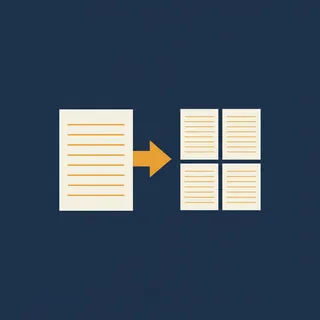
Course modules
10 modules over 5 daysParticipants can determine whether an investee is controlled under IFRS 10 and document the conclusion.
- Control assessment under IFRS 10 using power, returns and linkage
- Decision-making rights distinguished between substantive and protective rights under IFRS 10
- Principal-versus-agent analysis for fund managers, trustees and delegated decision makers
- Purpose-and-design assessment for structured entities with dispersed voting rights
- Control conclusion memoranda supported by contracts, governance and ownership evidence
- Reassessing control after shareholder agreements, option changes and governance amendments
Participants can calculate and record acquisition-date accounting entries under IFRS 3.
- Acquisition-date identification under IFRS 3 for staged and contractual combinations
- Consideration transferred measured including contingent consideration, shares and deferred payments
- Fair value adjustments allocated to identifiable assets, liabilities and intangible assets
- Goodwill calculation using full and partial goodwill measurement approaches
- Non-controlling interests measured at fair value or proportionate net assets
- Acquisition-related costs expensed and pre-existing relationships settled correctly
Participants can prepare a consolidation worksheet and calculate group equity balances.
- Parent and subsidiary trial balances mapped to a consolidation chart
- Elimination entries remove investment balances against subsidiary equity accounts
- Post-acquisition reserves separated from pre-acquisition equity and fair value movements
- Non-controlling interest calculated for profit, reserves and closing net assets
- Consolidation worksheet columns reconcile adjustments, eliminations and group financial statements
- Consolidation journals documented with cross-references to supporting schedules
Participants can eliminate intragroup transactions and allocate resulting effects correctly.
- Intragroup sales eliminations remove unrealised profit from inventory and cost of sales
- Upstream and downstream transactions allocated between parent and non-controlling interests
- Intercompany receivables, payables, loans and accrued interest eliminated on consolidation
- Unrealised gains on non-current asset transfers adjusted for depreciation
- Dividend eliminations distinguish pre-acquisition distributions from post-acquisition income
- Foreign currency intercompany balances assessed for monetary item treatment
Participants can account for changes in ownership, including loss of control and retained interests.
- Step acquisitions remeasure previously held interests at acquisition-date fair value
- Partial disposals without loss of control recorded within equity
- Loss of control accounting calculates gain, retained interest and derecognition
- Changes in ownership schedules track parent and non-controlling interest movements
- Common-control transactions assessed against applicable accounting policy requirements
- Disposal group presentation considered under IFRS 5 classification criteria
Participants can apply the equity method and classify joint arrangements correctly.
- Significant influence assessed under IAS 28 using facts and indicators
- Equity method entries recognise share of profit and other comprehensive income
- Investor-to-associate unrealised profits eliminated to the investor's ownership interest
- Joint arrangements classified as joint operations or joint ventures under IFRS 11
- Joint operation assets, liabilities, revenue and expenses recognised directly
- Impairment indicators tested for investments accounted for using equity method
Participants can translate foreign operations and record exchange differences in group accounts.
- Foreign operations identified through functional currency rather than presentation currency
- Functional currency determined from sales pricing, costs and financing evidence
- Translation differences recognised in other comprehensive income and cumulative reserve
- Goodwill and fair value adjustments translated at closing rates
- Foreign operation disposal recycles relevant cumulative translation differences
- IAS 21 monetary items distinguished from net investment balances
Participants can identify deferred tax and impairment consequences of consolidation adjustments.
- Temporary differences mapped from consolidation adjustments and acquisition fair values
- Deferred tax recognised on fair value uplifts and elimination entries
- Goodwill impairment tested under IAS 36 cash-generating unit requirements
- Impairment losses allocated between parent and non-controlling interests
- Recoverable amount compares value in use with fair value less costs
- Deferred tax exceptions assessed for initial recognition and goodwill
Participants can prepare disclosure support and evidence for key group reporting judgements.
- IFRS 12 disclosure requirements mapped for subsidiaries, associates and joint arrangements
- Material non-controlling interests supported by summarised financial information schedules
- Judgements about control, joint control and significant influence documented clearly
- Related party disclosures reconcile intragroup eliminations with IAS 24 requirements
- Segment reporting implications considered when acquisition and disposal events occur
- Disclosure checklists trace note requirements to consolidation working papers
Participants can review a consolidation file, investigate exceptions and plan reporting-cycle improvements.
- Consolidation close timetable assigns data owners, review points and dependencies
- Trial balance validation detects mapping errors, sign reversals and duplicate entries
- Analytical review compares group margins, tax rates and ownership movements
- Materiality thresholds guide investigation, correction and documentation of consolidation differences
- Review notes record preparer conclusions, reviewer challenge and resolution evidence
- Personal application plan prioritises workplace consolidation improvements and stakeholder actions
Exercises and examples are adapted to each cohort's sectors and roles.